
Two-Step Back in Time by Visiting a Dance Hall
Explore the charm and nostalgia of traditional dancing, where time seems to stand still. These iconic venues offer a blend of history, culture, and rhythm that invites everyone to take a two-step back in time. These spaces are more than entertainment venues; they are places where community connections flourish and cultural traditions are preserved. These gathering spaces are more than just places to sway to beloved tunes; they serve as cultural repositories, preserving traditions that define communities. From the architectural allure of wooden floors and vintage chandeliers to the vibrant energy of live music and dance, every aspect of a dance hall contributes to an immersive experience. Visitors often find themselves transported into a different era where music, movement, and social interaction intertwine seamlessly. Let us journey through the captivating world of traditional venues, discovering the allure that continues to draw enthusiasts across generations.
The History of Traditional Social Spaces
These venues trace their origins to societal gatherings that served as communal celebrations, gradually evolving into structured nightlife destinations. According to the Texas State Historical Assocation, in the mid-19th century, early in Texas history, dance halls were often among the first buildings raised in new communities founded by immigrants from central Europe. As immigrants gathered to celebrate weddings, harvests, and religious observances, they brought with them a rich tradition of music and dance that shaped the identity of these venues.
The architectural design of these social spaces often mirrored the cultural aesthetics of their founders, blending practicality with elegance. As communities grew, halls expanded to include spacious ballrooms, decorative elements, and improved acoustics to support live performances. These developments helped transform each dance hall into a focal point of social life that could host events spanning generations.
As urbanization and technology advanced, these venues adapted to changing trends by incorporating jazz, swing, and emerging musical styles. Despite evolving entertainment preferences, the essence of these social spaces remained centered on joy, tradition, and human connection. Today, renewed interest in these historic environments demonstrates their lasting cultural importance and emotional resonance.
Cultural Significance and Community Impact
These venues function as cultural landmarks that reflect social change through music and dance. A dance hall often acts as a living museum, showcasing traditions that reveal important historical narratives and shared experiences. The significance of these gathering places extends beyond entertainment because they foster cultural expression and preserve collective memory.
Each venue tells a unique story of the people who have passed through its doors. From the influence of jazz in the 1920s to the emergence of rock music in later decades, these spaces have mirrored popular culture and social movements. They have served as stages for celebration, artistic exploration, and community dialogue.
These spaces also bridge generational divides by allowing older participants to share dance traditions and cultural knowledge with younger audiences. This exchange strengthens cultural continuity and ensures that traditions remain vibrant and relevant. The communal atmosphere encourages inclusivity and fosters meaningful social connections.
Iconic Global Locations
Across the world, historic venues showcase distinctive cultural identities shaped by local traditions. From Texas honky-tonks to Vienna’s elegant ballrooms, every dance venue reflects regional influences in architecture, music, and social customs. These spaces offer visitors opportunities to experience cultural heritage through movement and sound.
Famous locations such as Gruene Hall in Texas, the grand ballrooms of Vienna, and the Moulin Rouge in Paris demonstrate the diversity of global dance traditions. Each location contributes to a broader narrative of cultural expression, highlighting how music and movement transcend geographic boundaries.
Preservation efforts have helped protect many historic venues, ensuring their continued operation as cultural landmarks. Their recognition underscores the importance of safeguarding traditions while adapting to modern expectations.
Decline and Revival in Modern Times
During the late 20th century, many traditional venues experienced declining attendance due to the rise of modern nightlife options and changing musical tastes. Cinemas, clubs, and digital entertainment shifted public attention, causing some historic spaces to close or fall into disrepair.
However, community initiatives and cultural preservation efforts sparked renewed interest in these gathering spaces. Renovations, themed events, and educational programs helped reintroduce traditional experiences to contemporary audiences. The restoration of a dance hall often symbolizes a community’s commitment to preserving cultural heritage.
Today, these revitalized venues attract visitors seeking authentic social experiences that differ from digital forms of entertainment. Their revival reflects a growing appreciation for shared cultural traditions and face-to-face interaction.
Influence on Contemporary Venues
Modern entertainment spaces frequently draw inspiration from traditional design elements such as open dance floors, vintage décor, and live music performances. The layout of a dance hall has influenced how contemporary venues encourage social interaction and communal engagement.
Event spaces, wedding venues, and performance halls often incorporate design features that evoke historical ambiance while meeting modern expectations. This fusion of past and present demonstrates the continued relevance of traditional concepts in shaping contemporary experiences.
Through this influence, the legacy of these historic venues persists in modern cultural environments, ensuring that traditions continue to evolve alongside changing social dynamics.
Types of Music That Shape the Experience
Music remains central to the atmosphere and identity of these venues. A wide variety of genres has contributed to their development, each adding unique rhythms and cultural influences that shape the experience of visitors.
Classic Country and Western Traditions
Classic country and western music has long been associated with traditional venues in the southern United States. Storytelling lyrics and distinctive instrumentation create an inviting environment for social dancing. This genre established a lasting connection between music and community gatherings.
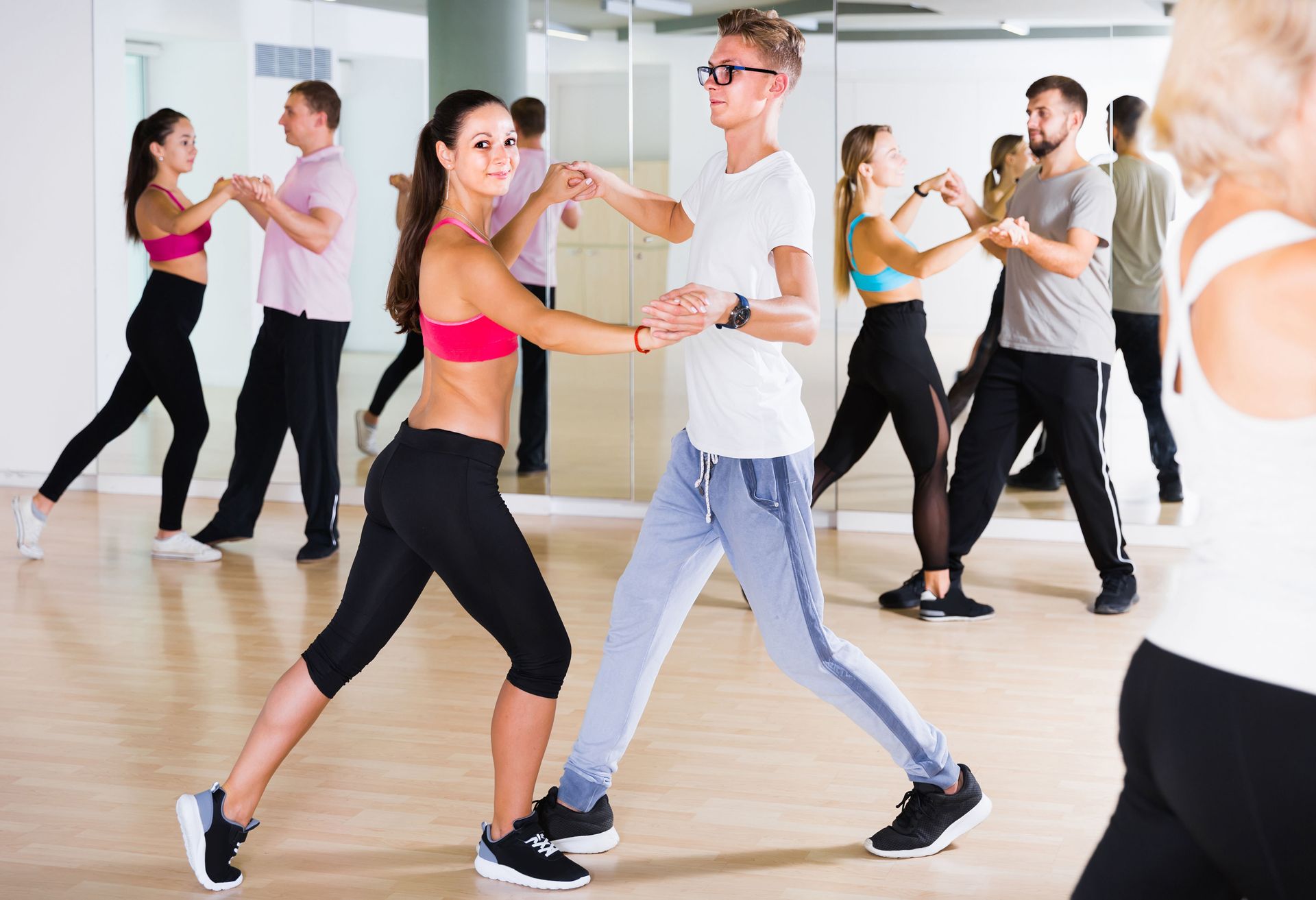
Live bands and communal dance styles such as the two-step foster participation and shared enjoyment. These traditions continue to influence modern performances and attract new audiences interested in cultural heritage.
Swing and Jazz Innovation
Swing and jazz transformed social entertainment during the early 20th century with energetic rhythms and improvisational styles. The popularity of big band performances brought new vibrancy to these spaces, encouraging expressive dance movements and cultural exchange.
These musical styles also promoted social inclusivity by bringing diverse communities together through shared artistic appreciation. Their legacy continues to inspire modern performances and dance instruction.
Folk and Traditional Influences
Folk music preserves regional traditions and storytelling practices that connect participants to cultural roots. Traditional melodies and participatory dances encourage communal involvement and reinforce shared identity.
By hosting folk performances and workshops, venues support the preservation of cultural knowledge while fostering appreciation for diverse traditions.
Rock and Contemporary Sounds
The emergence of rock music introduced new energy and innovation to social entertainment spaces. Its dynamic rhythms and expressive performances reshaped audience expectations and expanded musical programming.
Today, venues continue to incorporate modern genres alongside traditional styles, creating inclusive environments that appeal to diverse audiences. This blending of musical influences ensures that the dance hall experience remains vibrant and relevant.
The Lasting Appeal of Shared Experiences
The enduring popularity of traditional social venues reflects a universal desire for connection, creativity, and cultural expression. The dance hall continues to provide a space where individuals gather to celebrate music, movement, and community.
As these venues evolve, they maintain their role as cultural anchors that preserve heritage while embracing innovation. Their ability to unite people through shared experiences ensures their continued relevance in an ever-changing world. Contact Rodeo Exchange today to get connected with our dance lessons and live music.

Share On: